
Using a GLP-1? Here’s what to Eat to Protect Your Muscle, Energy, and Results
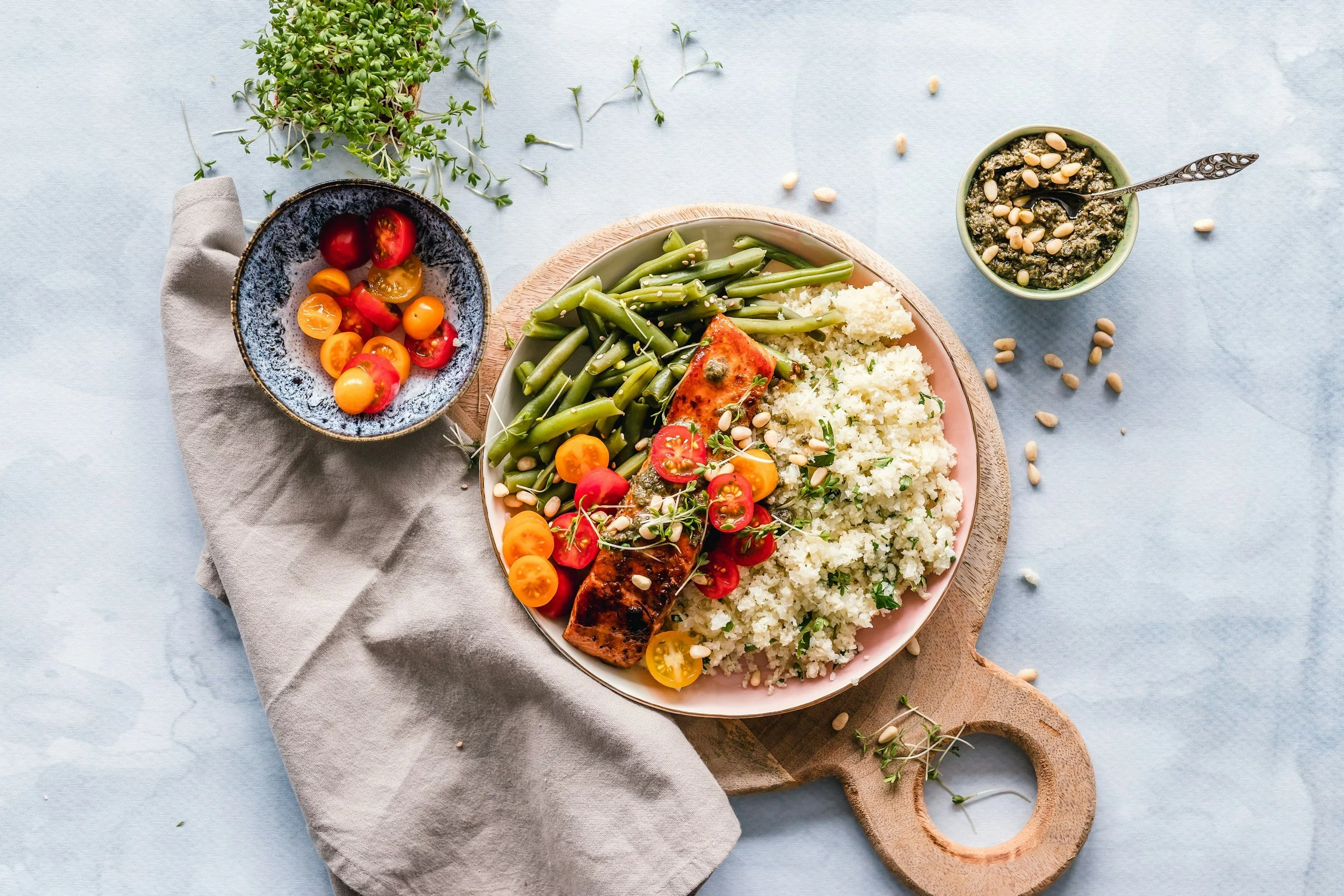
Balanced high protein meal for GLP-1 medications like Ozempic and Wegovy designed by Registered Dietitian in Elko Nevada
Wondering what to eat while taking Ozempic®, Wegovy®, Mounjaro®, or Zepbound®? You're not alone.
GLP-1 medications have transformed weight management, helping thousands of people lose weight and improve blood sugar control. But while these medications can reduce appetite and cravings, they don't automatically teach you how to nourish your body.
In fact, one of the biggest mistakes women make while taking a GLP-1 is simply eating too little.
Without enough protein, fiber, and essential nutrients, rapid weight loss can come at the expense of muscle mass, energy levels, and long-term success.
As a Registered Dietitian and owner of Last Stop Nutrition in Elko, Nevada, I work with clients throughout Elko County, Northern Nevada, and virtually to help them make the most of their GLP-1 journey while building healthy habits that last.
What Are GLP-1 Medications?
GLP-1 receptor agonists are medications that mimic a naturally occurring hormone in your body called glucagon-like peptide-1. This hormone helps regulate blood sugar and appetite.
Common GLP-1 medications include:
Ozempic®
Wegovy®
Mounjaro®
Zepbound®
These medications work by:
Slowing stomach emptying.
Increasing feelings of fullness.
Reducing hunger and cravings.
Improving insulin function.
Supporting blood sugar management.
While these effects can make weight loss easier, they can also make it difficult to consume enough nutrients to support your metabolism and preserve lean muscle.
Why Protein Matters More Than Ever
One of the most common questions I hear is:
"Do I really need to focus on protein if I'm eating less?"
The answer is absolutely.
When weight loss happens quickly, your body doesn't just lose fat—it can also lose muscle. Preserving muscle is important because muscle helps support:
A healthy metabolism
Blood sugar regulation
Strength and mobility
Energy levels
Long-term weight maintenance
Many people taking GLP-1 medications unintentionally eat less than 1,000 calories per day. While that may seem helpful for weight loss, it often means they aren't getting enough protein to protect their muscle.
A good general goal for many women 40+ is aiming for approximately 20-30 grams of protein at each meal, although individual needs vary.
Some excellent protein-rich foods include:
Greek yogurt, low-fat or non-fat
Cottage cheese, reduced-fat or fat-free
Eggs
Chicken or turkey
Fish
Lean beef
Tofu and edamame
Protein smoothies
Protein-fortified soups
Common Nutrition Mistakes on GLP-1 Medications
1. Eating Too Little
Many people think, "I'm not hungry, so I don't need to eat."
Unfortunately, consistently under-eating may contribute to:
Fatigue
Hair thinning
Muscle loss
Nutrient deficiencies
Slower metabolism
2. Prioritizing Convenience Over Nutrition
A few crackers or a piece of toast may feel easier to tolerate than a full meal, but carbohydrate-only meals don't provide the protein your body needs during weight loss.
3. Forgetting About Fiber
GLP-1 medications slow digestion, which can increase the risk of constipation.
Fiber helps support:
Digestive health
Blood sugar balance
Fullness
Gut microbiome diversity
Aim to regularly include:
Berries
Apples
Vegetables
Beans
Lentils
Oats
Chia seeds
Ground flaxseed
The more color on your plate, the better!
4. Not Drinking Enough Water
Reduced appetite often means reduced thirst.
Staying hydrated can help minimize:
Headaches
Dizziness
Constipation
Low energy
Keep a water bottle nearby and sip consistently throughout the day.
How to Build Balanced Meals with a Smaller Appetite
You don't need large portions—you need nutrient-dense ones.
A simple approach is to build your plate in this order:
Protein First
Start with a high-quality protein source (listed above).
Add Fruits or Vegetables
These provide vitamins, minerals, antioxidants, and fiber.
Include a Healthy Carbohydrate
Whole grains, beans, fruit, or starchy vegetables—think sweet potatoes, squash, potatoes— help support energy and blood sugar stability.
Finish with Healthy Fat
Avocado, olive oil, nuts, and seeds promote satiety and help absorb important nutrients.
Example Breakfast:
Greek yogurt
Mixed berries
Chia seeds
Walnuts
Example Lunch:
Grilled chicken breast
Roasted vegetables
Quinoa
Olive oil drizzle
Example Snack:
Cottage cheese with peaches
Protein smoothie
Apple with peanut butter
If larger meals feel overwhelming, try eating smaller meals or snacks every 3-4 hours instead.
Habits That Support Long-Term Success
GLP-1 medications are powerful tools, but sustainable habits are what create lasting results.
Focus on:
Prioritizing protein at every meal.
Strength training at least 2-3 times per week.
Drinking enough fluids.
Planning balanced meals ahead of time.
Eating consistently, even when hunger is low.
Avoiding all-or-nothing thinking.
Remember, the goal isn't simply losing weight.
The goal is protecting your muscle, maintaining your energy, improving your health, and creating a lifestyle you can sustain.
If you are interested in more information about sticking to your nutrition goals while on vacation, check out my blog: Healthy Eating on Vacation: Blood Sugar Friendly Tips that Work where I cover everything you need to know about staying on track while away from home.
Frequently Asked Questions About GLP-1 Nutrition
What should I eat while taking Ozempic or Wegovy?
Focus on balanced meals that include protein, fiber-rich carbohydrates, healthy fats, and plenty of fluids. Protein should be the priority because it helps preserve muscle during weight loss.
How much protein do I need on a GLP-1 medication?
While individual needs vary, many adults benefit from consuming approximately 20-30 grams of protein per meal. A Registered Dietitian can help determine what's right for you.
Can you lose muscle while taking GLP-1 medications?
Yes. Rapid weight loss can result in lean muscle loss if protein intake and resistance exercise are not prioritized.
Can a dietitian help while taking GLP-1 medications?
Absolutely. Working with a Registered Dietitian can help you reduce side effects, improve energy, protect muscle, and create a nutrition plan that supports long-term success.
GLP-1 Nutrition Counseling in Elko, NV and Northern Nevada
If you live in Elko, Spring Creek, Wells, Carlin, Battle Mountain, Winnemucca, or anywhere in Northern Nevada, personalized nutrition guidance can help you maximize the benefits of your GLP-1 medication. I also hold licensure in the state of Idaho.
At Last Stop Nutrition, I help clients:
Build high-protein meal plans.
Protect muscle during weight loss.
Improve blood sugar management.
Reduce common side effects like nausea and constipation.
Develop sustainable habits for lifelong health.
Virtual appointments are also available, allowing clients throughout Nevada and beyond to receive expert nutrition support from home.
Ready to Get More from Your GLP-1 Medication?
If you're taking Ozempic®, Wegovy®, Mounjaro®, or Zepbound® and wondering exactly what to eat, I've created a free educational resource to help.
Inside the Free GLP-1 Medications for Weight Management Series, you'll learn:
✔ How much protein you really need.
✔ What balanced GLP-1 meals look like.
✔ Strategies to reduce nausea and digestive discomfort.
✔ Common mistakes that can slow your progress.
✔ How to protect your muscle while losing weight.
If you're looking for practical, evidence-based nutrition guidance from a Registered Dietitian in Elko, Nevada, I'd love to support you.
Because successful weight loss isn't just about eating less.
It's about eating smarter, protecting your health, and building habits that last.
And if you’d like personalized guidance, working with a Registered Dietitian can help you build sustainable habits that fit your life. Click here to book a free discovery call and let’s talk about your next steps.
About the Author
Courtney Nalivka, MS, RDN is a Registered Dietitian Nutritionist and owner of Last Stop Nutrition, based in Elko, Nevada. She specializes in weight management, prediabetes, diabetes prevention, and GLP-1 nutrition support. Courtney works with clients throughout Elko County, Northern Nevada, and Idaho to help busy women improve their health through realistic, sustainable nutrition strategies without giving up any foods or going on any extreme diets.
